
Introduction
Eating balanced meals every day is crucial for maintaining energy, supporting mental clarity, and promoting overall health. A well-structured diet provides the necessary nutrients, vitamins, and minerals the body needs to function optimally. Incorporating variety in your meals ensures that you get a mix of protein, healthy fats, complex carbohydrates, and fiber while keeping your taste buds satisfied. Finding the best food ideas for balanced daily meals doesn’t have to be complicated or expensive. With careful planning and simple adjustments, you can create meals that are both nutritious and enjoyable.
Understanding Balanced Meals
Balanced meals combine different food groups in the right proportions to fuel the body effectively. Proteins, carbohydrates, and fats form the foundation, but fruits, vegetables, and micronutrients complete the nutritional picture. Proteins help repair tissues and support muscle growth, while complex carbohydrates provide sustained energy. Healthy fats are essential for brain health, hormone regulation, and vitamin absorption. Including a wide range of colorful fruits and vegetables ensures intake of antioxidants and essential vitamins. The goal is to provide your body with enough energy to sustain daily activities without feeling fatigued or hungry shortly after eating.
Incorporating Proteins in Daily Meals
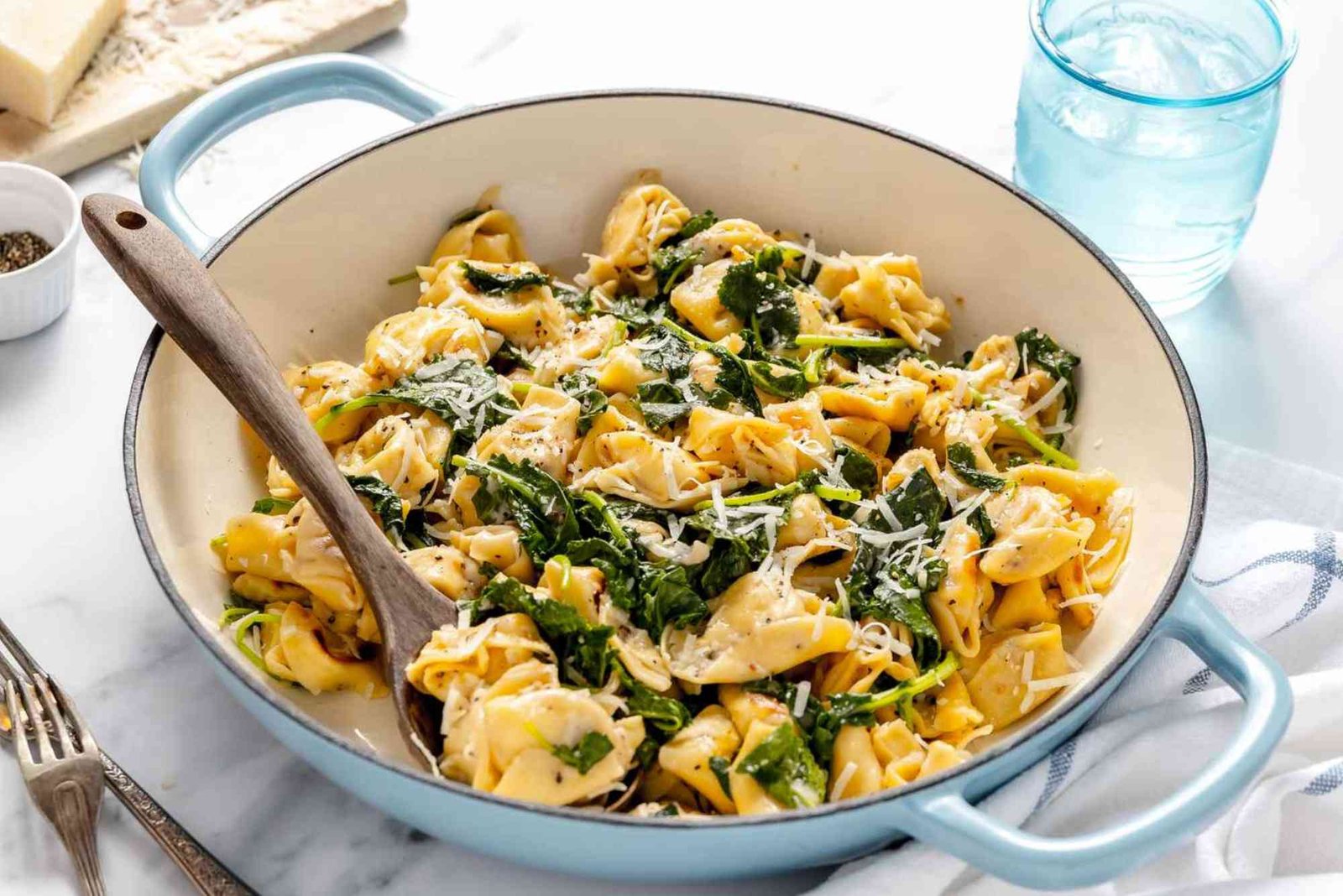
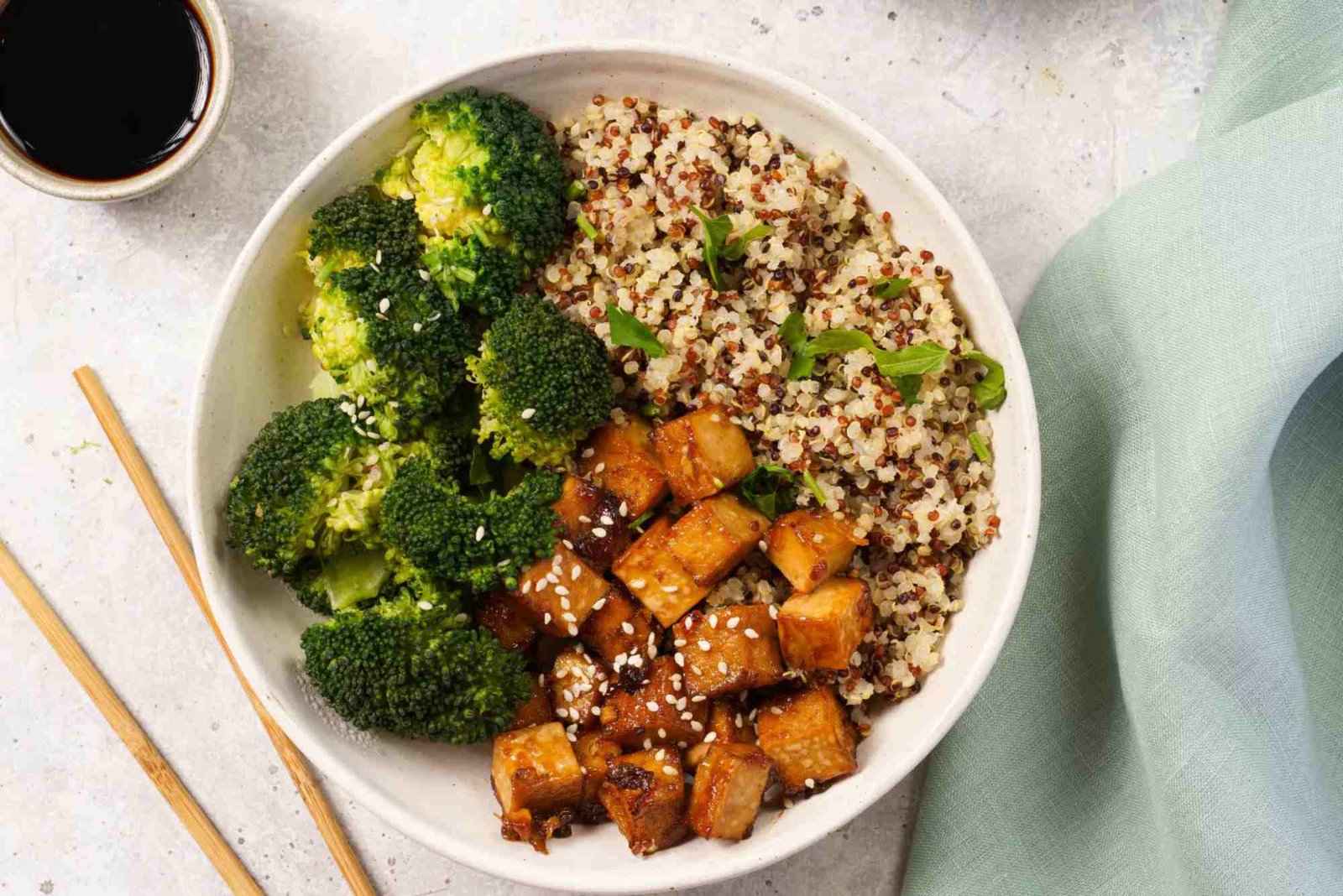
Proteins are vital for muscle repair, immune function, and overall vitality. Lean meats such as chicken, turkey, and fish are excellent sources of high-quality protein. For plant-based options, beans, lentils, chickpeas, tofu, and quinoa offer complete protein profiles. Incorporating protein into every meal helps maintain satiety, stabilizes blood sugar levels, and prevents overeating. Breakfast options like Greek yogurt with seeds or eggs with whole-grain toast are ideal. Lunches can include grilled fish with vegetables, while dinners can feature stir-fried tofu or lean chicken with a side of quinoa or brown rice. Adding protein-rich snacks like nuts or cottage cheese can help maintain energy between meals.
Choosing the Right Carbohydrates
Not all carbohydrates are created equal. Whole grains, vegetables, and fruits provide complex carbohydrates, which digest slowly and supply steady energy. Whole wheat bread, brown rice, oats, barley, and quinoa are excellent sources. Vegetables like sweet potatoes, carrots, and leafy greens also supply essential fiber, which promotes digestion and keeps you full longer. Avoid refined carbohydrates and sugary foods that spike blood sugar levels and leave you feeling sluggish. Balancing carbohydrate intake with protein and fat ensures sustained energy levels throughout the day and helps prevent cravings. Including a mix of starchy and non-starchy vegetables ensures a nutrient-dense diet.
Incorporating Healthy Fats
Healthy fats are essential for heart health, brain function, and hormonal balance. Sources such as olive oil, avocado, nuts, seeds, and fatty fish like salmon and mackerel provide omega-3 and omega-6 fatty acids. Including fats in meals helps absorb fat-soluble vitamins like A, D, E, and K, and keeps you feeling satisfied after eating. A simple lunch salad with olive oil dressing, avocado slices, and seeds can provide a balanced intake of healthy fats. Cooking with moderate amounts of healthy oils instead of butter or margarine further supports cardiovascular health. Fats also play a role in skin health and energy metabolism, making them indispensable in daily meals.
Fruits and Vegetables for Micronutrients
Fruits and vegetables supply essential vitamins, minerals, and antioxidants that support immune function and overall wellbeing. Aim for a colorful plate to maximize nutrient intake. Dark leafy greens like spinach and kale are rich in iron, calcium, and vitamin K. Berries, oranges, and apples provide vitamin C, fiber, and natural sweetness. Including a variety of produce helps reduce inflammation, improve digestion, and support long-term health. Smoothies, salads, or roasted vegetable dishes are convenient ways to integrate these nutrient-rich foods into daily meals. Even small servings throughout the day contribute significantly to meeting micronutrient needs.
Planning Meals for Balance
Creating balanced daily meals requires planning to ensure each nutrient is represented without overcomplicating the process. Start by visualizing your plate as divided into sections: half vegetables, one-quarter protein, and one-quarter whole grains or complex carbohydrates. Add a small portion of healthy fats and finish with fruits for natural sweetness. Preparing meals in advance can prevent unhealthy choices and save time during busy days. Batch cooking vegetables, grains, and proteins allows for quick assembly of balanced meals. Consistency is key, and small changes, like switching from white rice to brown rice or incorporating more greens, can significantly improve overall nutrition.
Hydration and Meal Timing
Staying hydrated is an often-overlooked aspect of balanced meals. Water supports digestion, regulates body temperature, and improves cognitive function. Aim to drink water consistently throughout the day, and complement meals with herbal teas or infused water if desired. Meal timing also influences energy levels and digestion. Eating smaller, frequent meals helps maintain stable blood sugar and prevents excessive hunger. For those with busy schedules, having healthy snacks like fruit, nuts, or yogurt on hand ensures you do not compromise balanced nutrition. Consuming breakfast within an hour of waking supports metabolism and provides energy for morning activities.
Simple Food Swaps for Better Nutrition
Making small swaps can transform everyday meals into balanced, nutritious options. Replace refined grains with whole grains, sugary snacks with fresh fruit, and fried foods with baked or grilled alternatives. Using herbs and spices instead of heavy sauces reduces added calories and enhances flavor. Adding seeds or nuts to meals boosts protein and healthy fat intake. Even swapping soda for sparkling water or herbal tea contributes to better hydration and overall health. These changes are sustainable, easy to implement, and gradually improve your daily meal balance without feeling restrictive.
Mindful Eating for Balanced Nutrition
Mindful eating encourages listening to your body’s hunger and fullness cues, making it easier to maintain balanced meals. Eating slowly and without distractions allows you to appreciate flavors and textures, helping prevent overeating. Paying attention to portion sizes, satiety, and nutrient density ensures each meal supports both physical and mental wellbeing. Incorporating variety also prevents dietary boredom, making balanced eating enjoyable. Mindful practices, such as savoring each bite or keeping a food journal, can help identify patterns and adjust meals to meet personal health goals more effectively.
Adopting the best food ideas for balanced daily meals can significantly improve health, energy, and overall wellbeing. By prioritizing proteins, complex carbohydrates, healthy fats, and a variety of fruits and vegetables, you provide your body with essential nutrients. Planning meals, staying hydrated, practicing mindful eating, and making small swaps can make balanced eating sustainable and enjoyable. Start today by reviewing your plate at each meal and incorporating one new healthy habit. Over time, these simple changes create a lifestyle that nourishes both body and mind. Begin your journey toward balanced nutrition and experience lasting energy and wellness.
If you want to improve your daily cooking experience, learning how to make homemade food feel special can truly transform simple meals into memorable ones. By using fresh ingredients, thoughtful presentation, and small creative touches, you can elevate everyday dishes. This guide with ka anchor text for internal linking helps you explore easy ways to add love and flavor to your home-cooked food for better enjoyment and satisfaction.
FAQs
What are the Best Food Ideas for Balanced Daily Meals?
The Best Food Ideas for Balanced Daily Meals include foods that combine protein, carbohydrates, healthy fats, fruits, and vegetables. These foods support overall health and energy throughout the day.
How can I make my daily meals more balanced?
You can make meals balanced by including at least three food groups in each meal. Focus on whole foods, fresh ingredients, and proper portion sizes. This is the core idea behind the Best Food Ideas for Balanced Daily Meals.
Why are balanced meals important for health?
Balanced meals provide essential nutrients that support energy, immunity, and brain function. The Best Food Ideas for Balanced Daily Meals help prevent nutritional deficiencies and improve long-term wellness.
Can I follow balanced meals on a budget?
Yes, you can. Simple foods like rice, lentils, eggs, and seasonal vegetables are affordable and nutritious. The Best Food Ideas for Balanced Daily Meals do not require expensive ingredients.
What is the best time to eat balanced meals?
It is best to eat regular meals throughout the day, including breakfast, lunch, and dinner. Following a schedule ensures the Best Food Ideas for Balanced Daily Meals work effectively for your body.