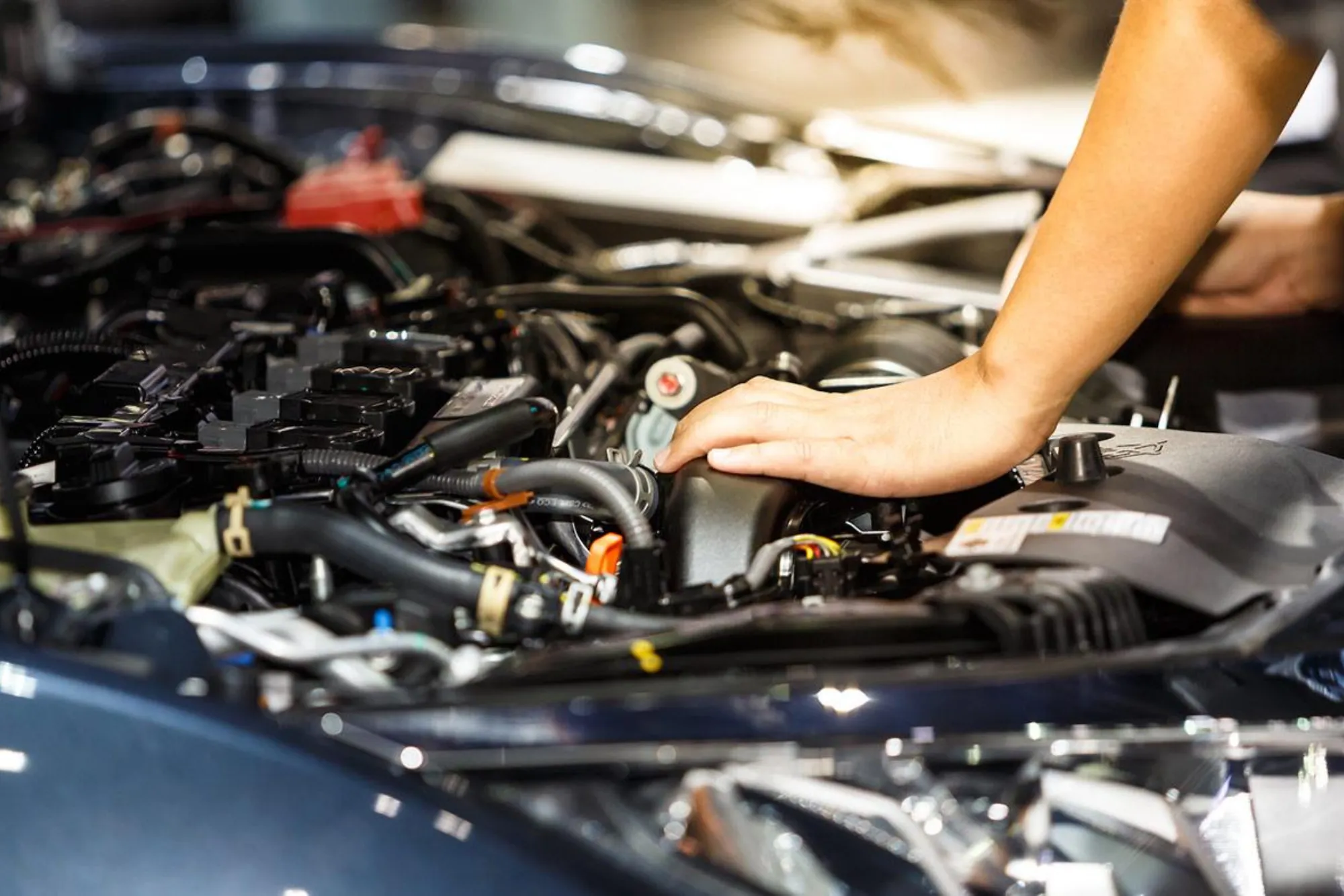

When drivers ask how long does car servicing take, they usually want more than a quick estimate. They want to know whether they should wait at the garage, leave the car for the day, or plan transport in advance. They also want to understand what happens during a service, what can slow the process down, and whether an interim service, full service, or major service will affect their schedule differently. In simple terms, car service time depends on the service type, the age and condition of the car, the garage’s workload, and whether extra repairs are discovered during inspection. A basic service can often be completed much faster than a full inspection-based service, while a major service may naturally take longer because more parts, more checks, and more labor are involved.
If you regularly read automotive content on SharpWithin, you already know that vehicle care is not only about performance. It is also about reliability, safety, cost control, and long-term value. This guide explains the real timeline behind vehicle maintenance, what is included in different service levels, what delays a garage visit, and how to keep your appointment efficient. It also helps readers understand important related search topics such as full car service time, interim car service time, major car service time, car service checklist, oil change and service time, same day car service, and how often should you service your car.
Quick Answer: Average Car Service Time
The most realistic answer is that there is no single universal time for every vehicle. A lighter interim service can often take around one to two hours in normal garage conditions. A full car service may take several hours, especially when the technician performs a wider vehicle inspection and checks more systems in detail. A major service can take even longer because it usually includes extra replacement parts, deeper inspection work, and more labor-intensive checks. If the mechanic finds worn brakes, battery weakness, fluid leaks, or a part that needs immediate replacement, the appointment can stretch much further than the original estimate.
This is why drivers should never rely on a single rigid number without context. A clean, well-maintained vehicle on schedule may move through the service checklist much faster than a car that has missed previous maintenance intervals. The difference between a quick oil and filter job and a full annual service is significant. That is why terms such as car service duration, garage service time, full service checklist, and what is included in a car service matter so much in search. They all reflect the same real-world question: how much time should a car owner actually set aside?
Understanding the Main Types of Car Servicing
To understand service duration properly, it helps to separate the main service types. Not all services are equal, and not all garages are doing the same level of work when they say “car service.” In most cases, drivers will come across interim service, full service, and major service. Each one has a different purpose, a different checklist, and a different time requirement.
An interim service is usually designed for routine upkeep between larger appointments. It normally focuses on the essentials, such as engine oil and filter replacement, basic fluid checks, tyre condition, brake inspection, and visual safety checks. Because the work is more limited, interim car service time is normally shorter than a full or major service.


A full service is more detailed and usually includes a broader review of the vehicle’s mechanical and safety systems. This is where more drivers start searching phrases like what is included in a full car service, full car service checklist, and what happens during a full car service. The wider the inspection, the longer the expected service time.
A major service is the most extensive routine option. It often includes everything in a full service plus additional components and deeper inspection items. If your car has gone longer between services, has higher mileage, or has developed wear over time, a major service may be the right choice. It also explains why major service time is usually the longest of the three.
How Long Does an Interim Car Service Take?
An interim service is often the quickest professional maintenance visit because it focuses on the most important recurring checks needed to keep the car in healthy condition between full services. For many drivers, this service is a practical middle step that helps prevent neglect. It is especially useful for people who drive regularly, cover higher mileage, or want to reduce the risk of small issues becoming costly repairs later.
During an interim service, the technician will commonly inspect oil condition, replace the oil and filter, check brake performance, review tyre condition, top up important fluids, and inspect visible belts, hoses, lights, and basic safety systems. Since the work is focused and not as broad as a full annual service, it usually takes less time. However, even an interim service can become longer if the car is overdue, warning signs appear, or another issue is found during the inspection.
Drivers often assume that a short service means a low-value service, but that is not true. Preventive car maintenance works best when it is consistent. A timely interim service can help you spot worn components earlier and reduce the chances of needing more expensive labor later. It also helps answer important search phrases such as 6,000 mile service, oil change and service time, and signs your car needs servicing.
How Long Does a Full Car Service Take?
A full service generally takes longer because it covers more than the basics. It is designed to give your car a more complete health review and often includes a broader inspection of suspension, steering, filters, brakes, tyres, battery condition, fluid levels, and multiple wear points. For many drivers, this is the most important annual maintenance visit because it helps reset the car’s maintenance condition and highlights developing faults before they become urgent.
Full car service time depends heavily on the garage, the vehicle, and the checklist being followed. Some cars move through the process relatively quickly because they are in good condition, their maintenance history is clear, and the required service items are straightforward. Others take longer because the technician finds worn parts, additional fluid issues, neglected filters, or small faults that require closer attention. This is why there is a real difference between simply asking how long does a car service take and understanding what is included in that service.
A full service is usually the right choice for drivers who want better peace of mind, stronger vehicle performance, and a more complete review of safety-related systems. If you are trying to keep a car dependable for daily driving, resale, or long-distance use, the annual full service is one of the most practical maintenance decisions you can make.
Why a Major Car Service Takes Longer?
A major service goes beyond the standard annual routine and is normally the longest regular maintenance appointment. This is because it often combines everything from a full service with extra replacements, deeper inspections, and more labor-heavy work. When a vehicle has been driven hard, serviced late, or reached a mileage point that demands additional care, the major service becomes essential.
In many cases, the reason a major service takes longer is simple: the work list is longer. More parts may need replacement, more systems need inspection, and more decisions may need to be made during the appointment. If the garage identifies wear that affects safety or performance, they may need to contact the owner for approval before continuing. That pause alone can increase garage service time.
For search intent, this section is important because many users search major service vs full service, annual car service, vehicle service duration, and car maintenance schedule without fully understanding the difference. The better your article explains this distinction, the stronger the content becomes for both users and search visibility.
What Can Delay Car Servicing?
Several factors can make servicing take longer than expected. One of the biggest is the condition of the car itself. A vehicle that has followed its manufacturer service schedule is usually easier to inspect and maintain than a vehicle that has skipped intervals or developed unresolved issues. Overdue maintenance often means dirtier filters, older fluids, more wear, and a higher chance of additional repair work during the visit.
Another major factor is the make and model of the car. Some vehicles are more straightforward to service, while others require more time because of design complexity, part access, specialist procedures, or electronic diagnostic steps. Vehicle size, layout, and category can also influence how long certain checks take. If you are interested in how vehicle classification affects ownership and usability, you can also explore Chevy Talmo a Large or Medium Car, which looks at how size and classification influence car choices.
Garage workload also matters. A good workshop may be highly efficient, but if many vehicles are already booked in, the timing can still stretch. Parts availability is another common reason for delay. If the technician discovers something that needs replacement immediately and the correct part is not already available, the service may pause until stock arrives.
What Is Included in a Typical Car Service?
One of the most common reasons people search this topic is because they do not just want a time estimate. They want to know what they are paying for. A typical service may include engine oil replacement, oil filter replacement, fluid checks, tyre inspection, brake check, battery check, steering review, suspension inspection, belts and hoses inspection, and a broader safety assessment depending on the level of service booked.
This is why the phrase car service checklist is so important. Without understanding the checklist, a time estimate has limited value. A short visit may only cover basic maintenance, while a longer visit may provide a far more useful review of your vehicle’s condition. If your garage also performs diagnostics, brake testing, battery testing, or extra inspections, the service becomes more detailed and naturally takes more time.
Drivers should always ask whether the quoted package is an interim service, a full service, or a major service. That simple question can prevent confusion, save time, and make the visit easier to plan. It also helps you compare quotes more fairly, because not every garage includes the same items in the same package.
How Often Should You Service Your Car?
Service frequency plays a major role in service duration. When a car is maintained on time, the next appointment is usually smoother, quicker, and less likely to produce surprise repair costs. Most drivers should think in terms of regular preventive car maintenance rather than waiting for a problem to become obvious. That is why so many users search terms like how often should you service your car, manufacturer service schedule, annual car service, 12,000 mile service, and 6,000 mile service.
The best answer is to follow your owner’s manual first and use mileage and time intervals as a practical guide. Drivers with heavier use may benefit from more frequent interim servicing, while annual full servicing remains an important baseline for many cars. Delaying service for too long can increase risk, reduce efficiency, and turn what should have been a routine appointment into a much longer visit with added repair work.
For a broader maintenance reference beyond service timing, you can add one trusted authority link for readers who want a general upkeep overview: AAA Time-Stamped Car Maintenance Checklist. It supports the maintenance side of the topic without competing directly with this page.
Signs Your Car Needs Servicing Sooner
Not every car should wait until the next calendar reminder. In many cases, the vehicle itself gives you signals that maintenance should happen earlier. Rough engine behavior, reduced fuel efficiency, weak braking feel, unusual vibrations, dirty oil, fluid loss, dashboard warnings, or unexpected noises are all signs that the car may need attention before the next planned interval.
This matters because waiting too long often makes the eventual service longer and more expensive. The sooner a mechanic inspects a developing issue, the more likely it can be managed before it grows into something more serious. Search terms such as signs your car needs servicing, brake check during service, engine oil and filter change, and preventive car maintenance all connect naturally to this stage in the user journey.
If your car is older or you enjoy learning more about vehicle ownership from different angles, related automotive reading can also help broaden your understanding. For example, enthusiasts interested in older models and long-term maintenance culture can explore Classic Japanese Cars for Youth, which highlights how maintenance, reliability, and vehicle identity shape the ownership experience over time.
Can a Car Service Be Done the Same Day?
In many cases, yes. Same day car service is common for routine maintenance, especially when the garage is well-organized and the car is in reasonably good condition. However, same-day completion does not always mean while-you-wait completion. A garage may still ask you to drop the car in the morning and collect it later in the day, even if the service itself is not unusually complex.
The best approach is to ask the workshop two practical questions when booking. First, ask when the car should realistically be ready if no extra repairs are needed. Second, ask what usually causes delays on that service package. Those two questions give you a more useful answer than a generic estimate and help you understand the real vehicle service duration for your situation.
If you want to reduce the chance of delays, book early, provide clear details about your car, mention any symptoms in advance, and stay reachable during the appointment. Fast approval decisions can make a noticeable difference if the technician finds a part that needs replacement.
Car Servicing vs Car Cleaning: Do Not Confuse Them
Some drivers put off maintenance because the car still looks fine, but a clean exterior is not the same thing as a healthy mechanical condition. A fresh wash, polished paint, and tidy cabin can improve appearance and preserve resale value, but they do not replace oil changes, filter replacement, brake inspection, or routine servicing. Mechanical reliability depends on maintenance, not just presentation.
That said, appearance still matters in overall car care. If you want to keep the vehicle looking strong while also protecting long-term value, you can also explore Blackwood Car Wash Greenwood SC. It is a useful reminder that proper ownership includes both mechanical upkeep and exterior care, but the two should never be confused.
How to Make Your Service Appointment Faster and Smarter
If you want a smoother service experience, there are a few practical habits that really help. Book the appointment before peak periods whenever possible. Choose the right service type instead of leaving it unclear. Mention warning lights, vibrations, brake noises, starting problems, or fluid leaks at the booking stage. Arrive with realistic expectations, especially if the vehicle is overdue for maintenance.
You should also confirm whether the garage is following a basic package or a manufacturer-led service schedule. This helps you understand whether the quote is broad enough for your vehicle’s actual needs. If you suspect extra repairs may be needed, build more flexibility into your day instead of assuming a very fast turnaround.
Another smart move is to ask for the likely service-only timeline and the likely service-plus-repair timeline. This helps you separate normal maintenance from possible extras and makes it easier to plan your day. It also gives you a more realistic idea of same day car service and how long a full car service really takes in practice.
Explore More Automotive Content on SharpWithin
If you want more vehicle-related reading after this guide, the Automobile category is the best place to continue. It groups together SharpWithin’s automotive content so readers can move naturally from service questions to broader car ownership, classification, and automotive lifestyle topics. Category pages like this also make internal navigation stronger and help users discover related posts more easily.
You can also return to the SharpWithin homepage to browse additional content across automobile, tech, travel, beauty, food, and other categories. That makes the site more useful for readers who want both focused answers and broader browsing options in one place.
Final Verdict
So, how long does car servicing take? The best answer is that it depends on the type of service, the condition of the vehicle, the garage workflow, and whether extra work is found during inspection. An interim service is usually the shortest option. A full service takes longer because it includes a wider checklist. A major service is the most time-consuming because it involves more labor and often more replacement work.
The smartest way to reduce service time is not to rush the garage. It is to keep the car maintained, follow the right schedule, choose the correct service type, and communicate clearly when booking. When you do that, you improve reliability, reduce surprise costs, and make every garage visit more predictable. That is what good servicing is really about: safer driving, fewer expensive problems, and stronger long-term value from the vehicle you depend on.
Frequently Asked Questions
How long does an oil change take?
>>An oil change is usually much faster than a full service, but the exact time still depends on the garage, the vehicle, and whether additional checks are included with the appointment.
How long does a full car service take?
>>A full service usually takes longer than an interim service because it includes a more detailed inspection of the vehicle’s main mechanical and safety systems.
What is included in a full car service?
>>A full service often includes oil and filter changes, fluid checks, tyre inspection, brake checks, battery review, steering inspection, suspension review, and multiple safety-related checks.
How often should you service your car?
>>The best guide is always your owner’s manual and manufacturer schedule, but many drivers use regular annual servicing and additional interim servicing for heavier mileage.
Can I wait while my car is being serviced?
>>You sometimes can, especially for lighter services, but for full services or cars that may need extra repairs, a drop-off plan is usually safer and more practical.