
Introduction
Keeping an older vehicle in good condition requires patience, consistency, and the right knowledge. Many drivers believe aging cars are unreliable, but that is not always true. With proper care, older vehicles can perform smoothly for many years.
This guide shares practical and easy-to-follow Top Automobile Advice for Maintaining Older Cars so you can extend your car’s life, improve safety, and reduce repair costs. Whether your vehicle is ten years old or more, these insights will help you maintain strong performance without unnecessary stress.
Why Older Cars Need Special Care
Older vehicles experience natural wear and tear over time. Engine parts weaken, fluids degrade, and rubber components lose flexibility. That is why Top Automobile Advice for Maintaining Older Cars focuses on preventive maintenance rather than reactive repairs. As cars age, even small issues can become major failures if ignored. Regular attention helps you detect problems early. This ensures better fuel efficiency, smoother driving, and improved safety on the road.
Another reason older cars need care is changing technology standards. Even if the vehicle is reliable, outdated components may require upgrades or adjustments. Following Top Automobile Advice for Maintaining Older Cars ensures you stay ahead of these issues.
Engine Health and Regular Inspection
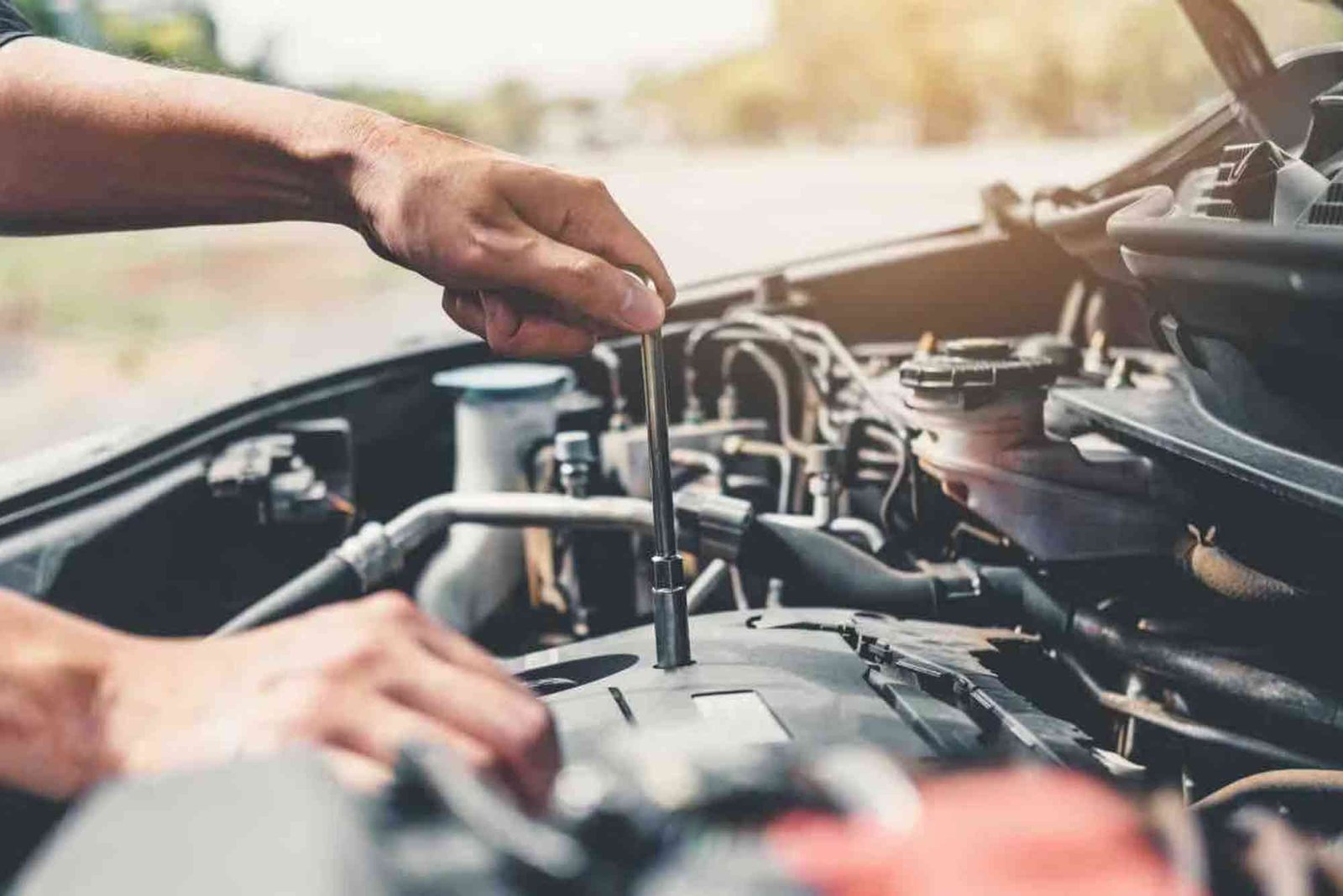
The engine is the heart of any vehicle. For older cars, maintaining engine health becomes even more important. One of the most important parts of Top Automobile Advice for Maintaining Older Cars is consistent engine inspection.
Oil Quality and Replacement
Engine oil protects internal parts from friction and overheating. In older cars, oil degrades faster due to engine wear. Regular oil changes help maintain smooth operation and reduce internal damage.


Using high-quality oil designed for older engines can significantly improve performance. This simple step is often emphasized in Top Automobile Advice for Maintaining Older Cars because it prevents long-term engine issues.
Cooling System Maintenance
Older engines are more sensitive to overheating. The radiator, coolant, and hoses must be checked frequently. Even small leaks can lead to major engine damage.
Keeping the cooling system clean and properly filled ensures temperature stability. This is a core part of Top Automobile Advice for Maintaining Older Cars that many drivers overlook.
Transmission Care for Long-Term Performance
Transmission systems in older cars require special attention. Over time, gears and fluids wear down, leading to rough shifting or slipping issues.
Fluid Checks and Replacement
Transmission fluid acts as a lubricant for smooth gear changes. In older cars, this fluid should be checked more frequently. Dirty or low fluid levels can damage internal components.
Following Top Automobile Advice for Maintaining Older Cars means not ignoring transmission behavior changes such as hesitation or vibration.
Driving Habits Matter
Harsh driving can shorten transmission life. Smooth acceleration and controlled braking reduce stress on the system. Many experts include driving style as a key part of Top Automobile Advice for Maintaining Older Cars because it directly impacts longevity.
Brake System Safety and Maintenance
Brakes are one of the most critical safety features in any vehicle. In older cars, brake systems need regular inspection to ensure reliability.
Worn brake pads, low brake fluid, or damaged rotors can reduce stopping power. One of the essential principles of Top Automobile Advice for Maintaining Older Cars is never ignoring brake noise or vibration. Timely brake servicing ensures safety for both the driver and others on the road. Older cars may require more frequent brake checks compared to newer models.
Electrical System and Battery Care
Electrical systems become less stable as vehicles age. Wires, fuses, and connectors may corrode over time. That is why Top Automobile Advice for Maintaining Older Cars includes regular electrical inspection.
Battery Performance
Car batteries in older vehicles often lose charge capacity faster. Cleaning terminals and checking voltage helps avoid sudden breakdowns.
A weak battery can affect multiple systems, including ignition and lights. Proper battery maintenance is a simple but important part of Top Automobile Advice for Maintaining Older Cars.
Wiring and Connections
Loose or damaged wiring can cause unpredictable issues. Headlights flickering or dashboard warning lights should never be ignored. These are early signs of electrical problems in aging vehicles.
Suspension and Ride Comfort
Suspension systems absorb road shocks and ensure comfort. In older cars, shocks and struts gradually wear out, affecting stability.
When suspension weakens, the car may feel bumpy or unstable. Addressing these issues is a major part of Top Automobile Advice for Maintaining Older Cars because it directly affects driving safety. Regular inspection of suspension components helps maintain balance and control. It also improves tire life and steering response.
Tire Maintenance and Road Safety
Tires are the only contact point between the car and the road. In older vehicles, tire wear can become uneven due to alignment issues. Checking air pressure regularly ensures better fuel efficiency and smoother driving. Proper tire rotation also extends tire life.
Following Top Automobile Advice for Maintaining Older Cars means replacing worn-out tires before they become unsafe. Good tires significantly improve braking and handling.
Fuel System Efficiency
The fuel system in older cars can develop deposits over time. This affects engine performance and fuel consumption.
Cleaning fuel injectors and replacing filters improves combustion efficiency. This is an important part of Top Automobile Advice for Maintaining Older Cars because it directly impacts performance and mileage.
Using clean fuel and avoiding long storage periods also helps maintain system health.
Exterior and Interior Care
Older cars often lose shine and comfort if not maintained properly. Exterior paint may fade, and interiors may wear out.
Body Protection
Regular washing and waxing protect the car’s exterior from rust and damage. Even minor scratches should be treated quickly to prevent corrosion.
Protecting the body is often included in Top Automobile Advice for Maintaining Older Cars because it preserves resale value and appearance.
Interior Maintenance
Seats, dashboards, and carpets should be cleaned regularly. Dust and moisture can damage materials over time.
Keeping the interior fresh improves driving experience and comfort, especially in older vehicles.
Preventive Maintenance Schedule
One of the most effective strategies for aging vehicles is a consistent maintenance schedule. Instead of waiting for breakdowns, regular inspections keep the car in good condition.
Following Top Automobile Advice for Maintaining Older Cars means staying ahead of problems rather than reacting to them. Routine servicing reduces long-term repair costs and ensures better reliability. A disciplined maintenance approach is the foundation of vehicle longevity.
Common Mistakes to Avoid
Many car owners unintentionally damage older vehicles by ignoring warning signs. Delaying repairs, using low-quality parts, or skipping service intervals can lead to serious issues.
Another mistake is assuming small noises or leaks are harmless. In reality, these are early indicators of bigger problems. Avoiding these mistakes is a key principle in Top Automobile Advice for Maintaining Older Cars and can significantly extend vehicle life.
Conclusion
Maintaining an older vehicle is not difficult when you follow the right approach. With consistent care, attention to detail, and preventive maintenance, older cars can remain reliable and efficient for years. This guide on Top Automobile Advice for Maintaining Older Cars highlights the most important areas every driver should focus on, including engine health, brakes, transmission, and overall system care.
Discover practical ways to enhance your car’s look and long-term value with the guide How to Improve Vehicle Appearance Through Better Automobile Care. Regular washing, waxing, and interior detailing help maintain a fresh, polished finish. For more insights, explore our internal guide using the anchor text car care tips. This helps improve overall vehicle aesthetics and value. Consistent care.
FAQs
Why is maintenance important for older cars?
Maintenance is essential because older cars experience natural wear. Regular care prevents breakdowns and improves performance.
How often should an older car be serviced?
Older cars should ideally be serviced more frequently than newer models, depending on usage and condition.
What is the most important maintenance for older vehicles?
Engine oil changes and brake inspections are among the most important aspects of care.
Can older cars still be reliable?
Yes, with proper maintenance and timely repairs, older cars can remain highly reliable.
How can I improve fuel efficiency in an old car?
Regular servicing, clean fuel systems, and proper tire pressure help improve fuel efficiency significantly.
Related Reading: هل يمكنني شراء سيارة فاخرة بسعر مناسب؟
Related Reading: Top Automobile Tips for More Efficient and Safer Travel